Trader Vic’s – London Hilton on Park Lane

IMG_3769

After checking out the Moai and other antiquities at the British Museum, we had planned to meet up with a friend at Trader Vic’s. This was the first overseas location of the chain, opening in 1963 in the London Hilton on Park Lane. (Trader Vic’s once had a franchise partnership with Hilton hotels, but most of those restaurants have closed.)

IMG_3792

The entrance itself is kind of magical, with a giant chandelier and beautiful tapa cloth wrapping around the staircase that takes you down to the restaurant. Also at the top is a display case with some of the standard Trader Vic’s souvenirs, but at prices that will make you cringe if your currency is on the weaker side (£20 for the coconut mug!).

IMG_3846

There was a close call this summer when the hotel suffered a fire in the basement kitchens, but luckily Trader Vic’s needed only minor repairs. They were only serving a limited menu while we were there, and had closed off the lounge area on the right. (The restaurant is scheduled to fully re-open on November 1.)

IMG_3799

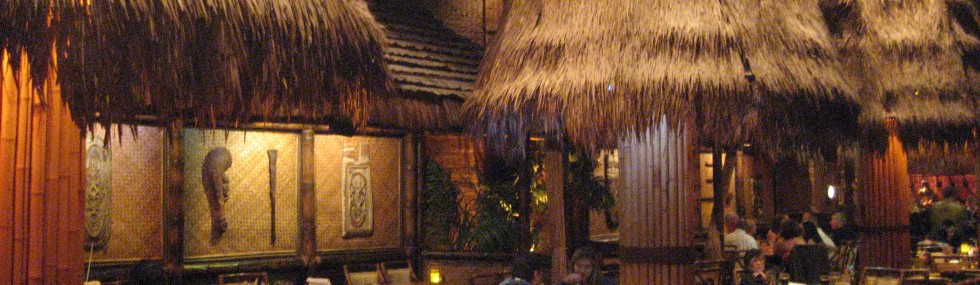
We were seated up on the left in the dining room. The decor is topnotch, with carved tiki poles, suspended outriggers, fish floats, large shells and bamboo, but I particularly liked the nautical touches of the lanterns, model ships and small yacht club flags along the wall.

IMG_3896

Between these spaces is the bar, where an amplified acoustic guitar player was performing. Alas, the music was too loud and the wrong style (Latin) and detracted from the ambience. Earlier in the night it was filled with businessmen sipping scorpion bowls. (But sadly no werewolves drinking Pina Coladas…)

IMG_3869

In recent years Trader Vic’s has censored their original menus by making the ladies much more modest, so it was amusing to find this saucy sign.

IMG_3874

I always like to order the signature drink of that particular Trader Vic’s, and here it’s the London Sour (£9), which Trader Vic himself made for the restaurant’s debut. It’s composed of Scotch whisky with orgeat, orange and lemon juice. (At other Trader Vic’s, it’s made with Bourbon and dubbed the Eastern Sour.) I don’t drink much Scotch so I was a bit hesitant about this one, but I loved it. The balance between sweet and sour was just perfect.

IMG_3886

Now if only I had quit while I was ahead. Instead I was intrigued by the section of the cocktail menu that went beyond the Trader Vic’s classics and ordered the Wanilla (£13.50), made with St. Aubin vanilla rum, pineapple, “a touch of Mandarin” and Prosecco. I had hoped for something fruity and bubbly, but there was an artificial taste to this that was a total turnoff.

IMG_3888

Minor missteps aside, it was such a thrill to visit one of the original Trader Vic’s. It was also great chatting with one of the friendly hosts about Trader Vic’s—he seemed impressed by my enthusiasm. 🙂

IMG_3849

Trader Vic’s is located in the Mayfair district just east of Hyde Park and is quite convenient to slake a thirst after sightseeing. Plus, Mahiki is less than a kilometer away so you could turn the night into a tiki bar mini-crawl. (Definitely hit up the Mahiki first, though, for reasons that will be explained later.)

Trader Vic’s
London Hilton on Park Lane
22 Park Lane
London, W1K 1PN, United Kingdom
020-7208-4113

Trader Vic's on Urbanspoon

Rapa Nui Moai at the British Museum – London

IMG_3726

There were so many tiki bars in London, and alas not enough time for us to visit them all. We did have to fit in some legitimate sightseeing here and there! Coincidentally, the British Museum happens to have some South Pacific artifacts along with the very impressive Egyptian collection, Parthenon frieze and Rosetta Stone.

IMG_3658

Their Rapa Nui Moai (Easter Island statue) is quite a sight. This handsome fellow is named Hoa Hakananai’a (roughly translated as “Stolen or hidden friend”) and is dated around 1400. About a thousand moai were made on Rapa Nui, but apparently this is only one of 16 that was carved from basalt.

IMG_3670

What’s really compelling about this one though are the unexpected carvings on the back, which are Birdman symbols that were added after the moai was moved to ‘Orongo. It was brought to England in 1869 by the HMS Topaze, and Queen Victoria gifted it to the museum (presumably because it clashed with the Buckingham Palace curtains).

IMG_3667

It’s part of the “Living and Dying” permanent exhibition that’s been in the Wellcome Trust Gallery since 2003. There are also objects from Africa, North and South America, the Solomon Islands and New Zealand, like this carved wooden post from the 1830s-1850s. If you look closely you can see the rauponga pattern—the notched “V”s are supposed to resemble the namesake fern frond.

IMG_3703

I was also intrigued by this housepost (circa 1900-1950 from the Sepik River region in Papua New Guinea) with its long face and mysterious animal. (Crocodile? Platypus?)

IMG_3717

The British Museum also has a Hawaiian Ku (see info on Critiki) in their Oceania collection but from what I can tell it doesn’t seem to be on display at the moment. (Last summer it was sent to the Bishop Museum in Hawaii for a special reunion exhibition.)

Old Town Orange – Classic Cars, Soda Shops & Tikis

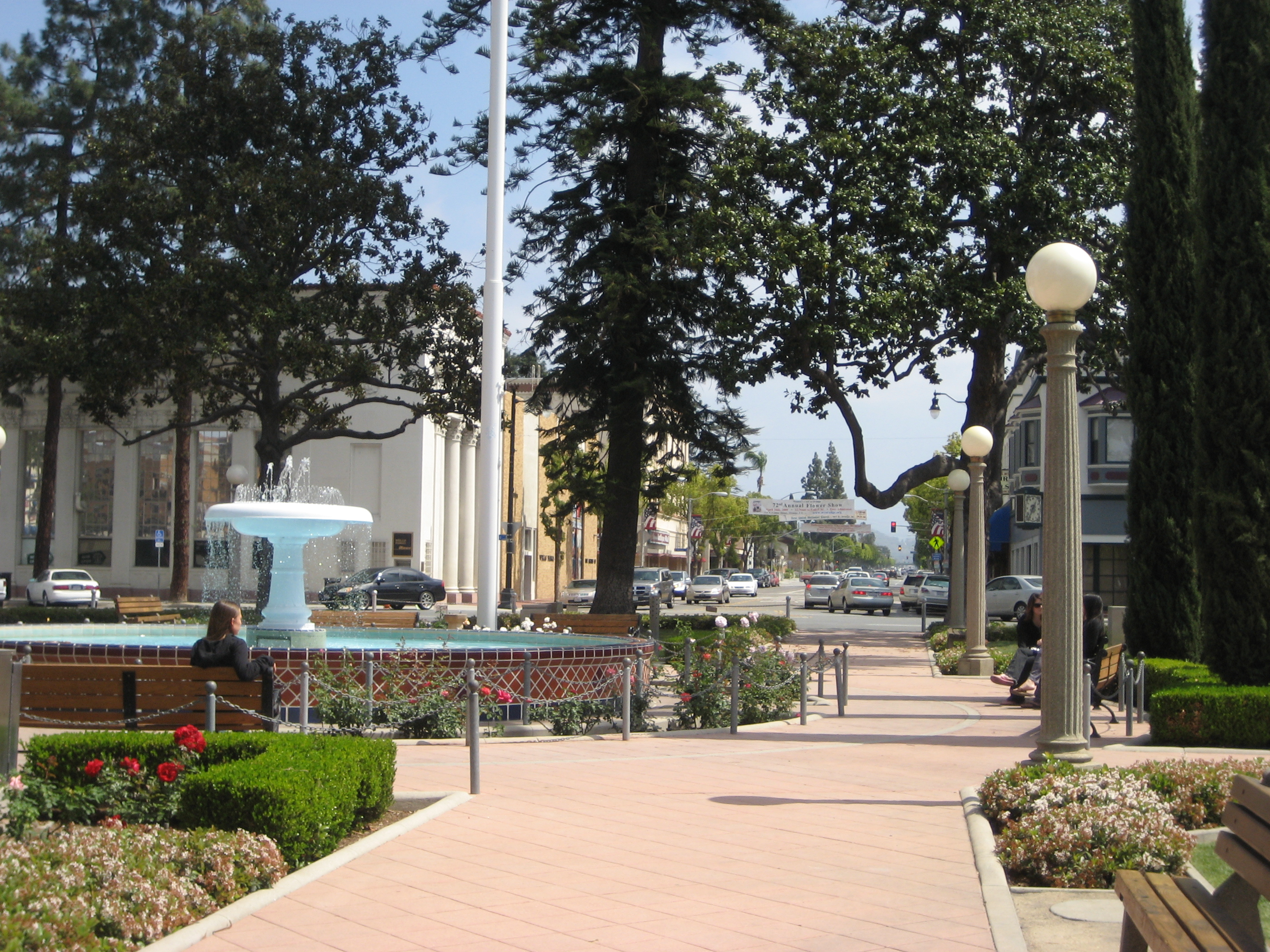
Whenever I’m in Old Town Orange, I feel like I’ve stepped into the movie “It’s a Wonderful Life.” It has an old-fashioned small-town feel that you would never think you’d find in Southern California. Disneyland and its reproduction of an idealized Main Street are just five miles away, but lovers of vintage Americana will find the real deal right here.

Walking distance from Chapman University, Orange is apparently the only city in the county built around a plaza. The space was turned into a park in 1887, and the fountain was replaced with a “new” one in 1937. The neighborhood is particularly notable for the many pre-1940 buildings and homes that have been preserved. (Therefore even the two Starbucks locations in the plaza actually look kind of neat.)

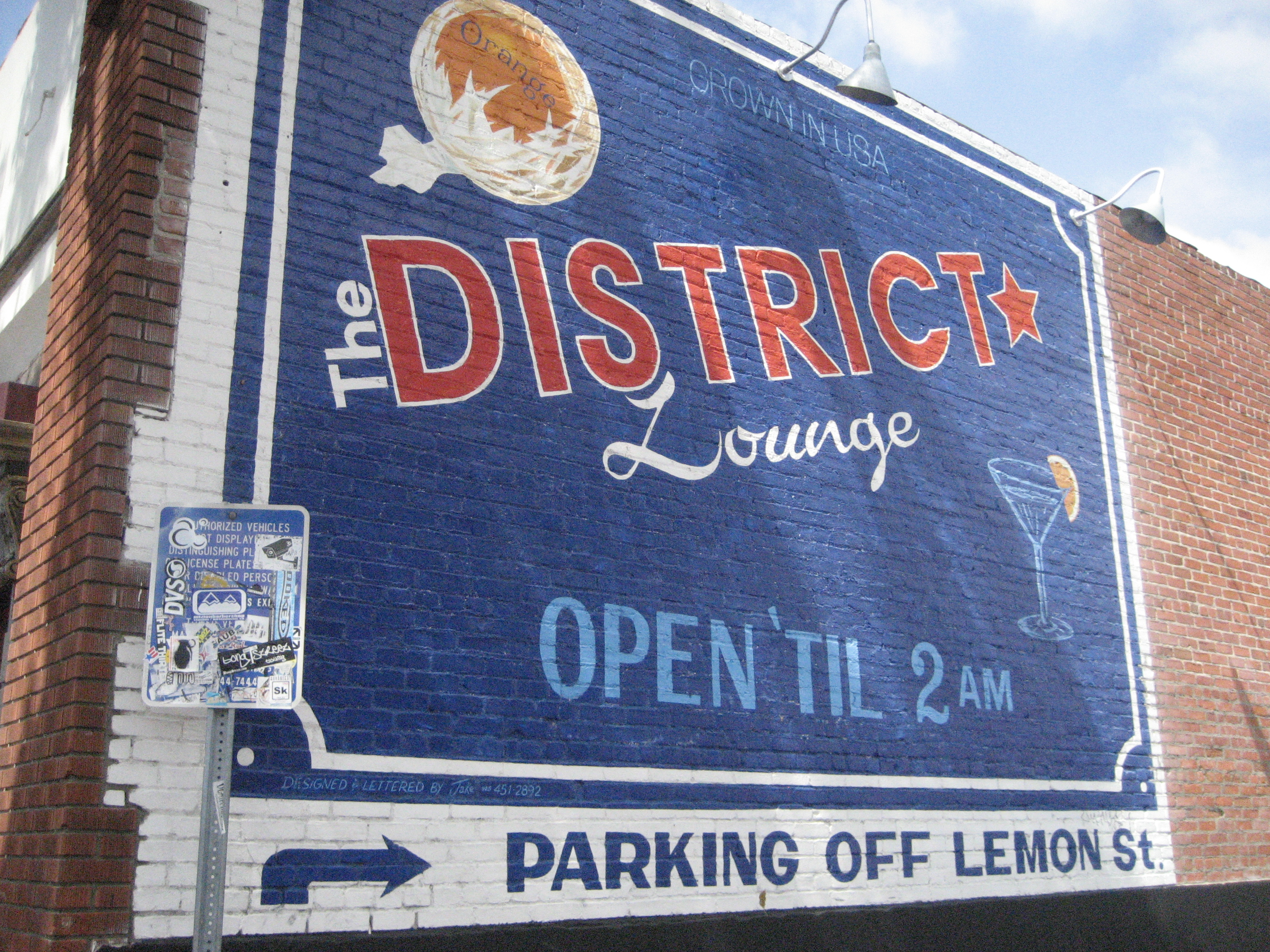
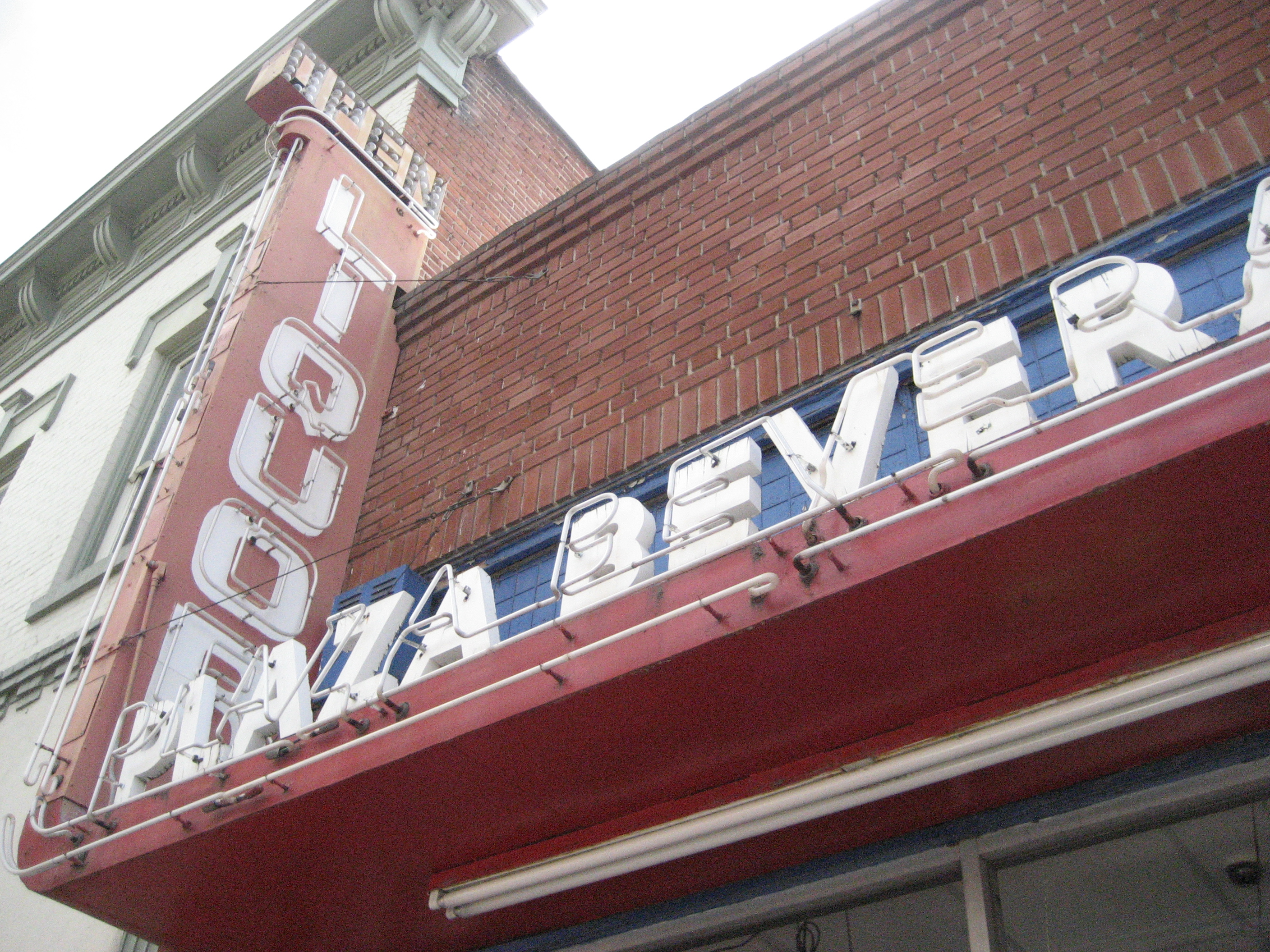
This sign for Rod’s Plaza Beverages was one of my favorites. The Old Town Orange Historic District is lined with antique malls and vintage shops, restaurants and Watson’s, which is The OC’s oldest operating soda fountain and featured as a film set in “That Thing You Do.”

And right next door to Watson’s is a branch of the World Travel agency, where I happened to spot some tikis and a United Airlines Aunty Menehune figurine in the display window.

Just as tikis help sell jacuzzis at the fair (via the idea of creating an island paradise at your home), we have these tikis tempting you to an exotic getaway. Well, they caught my attention anyway.

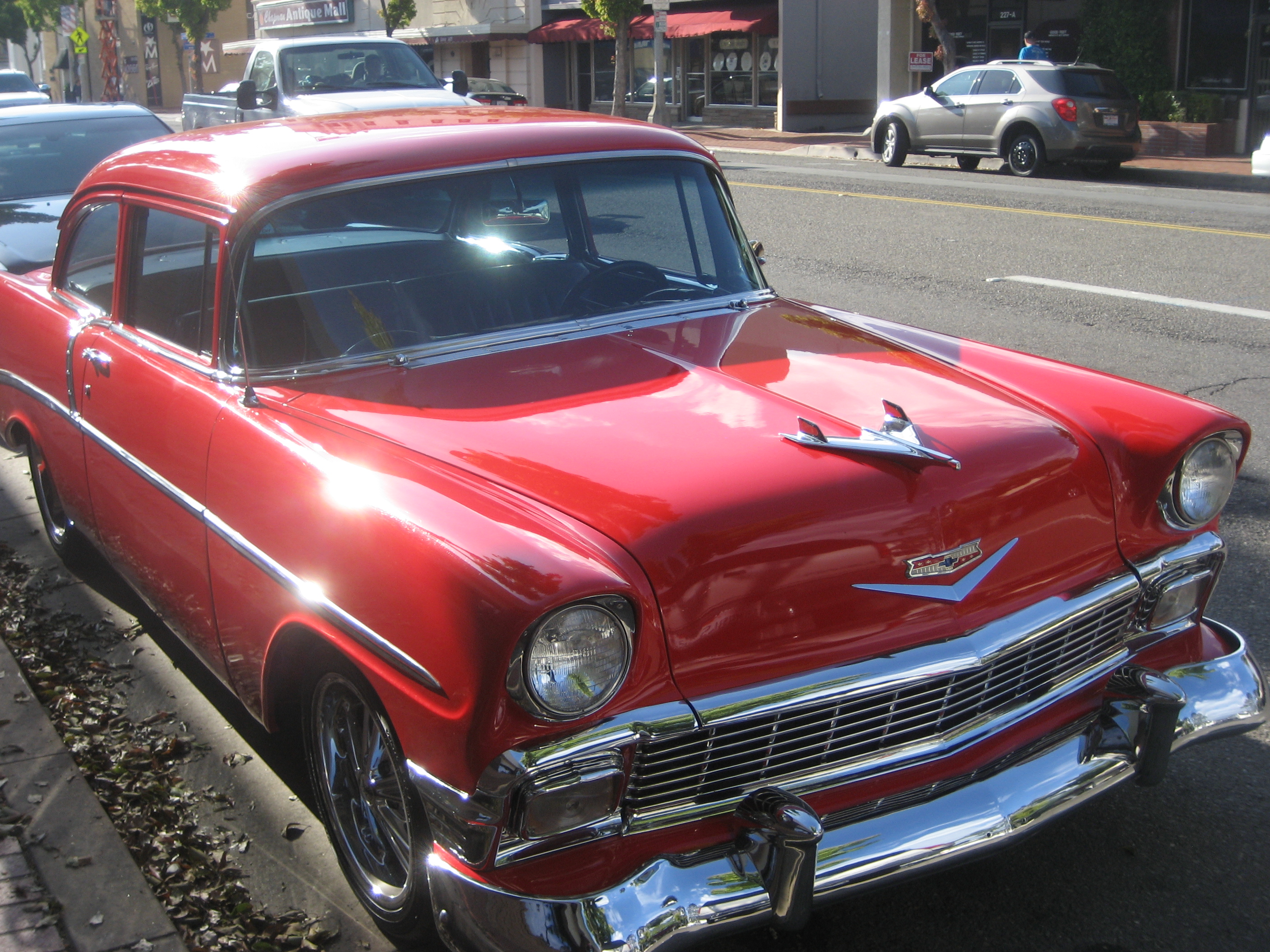
Although, I nearly walked right past them because I was too busy checking out this beauty. Classic car owners love to cruise around these streets, especially on Sundays. (There’s also an annual show in April.)

This guy gets bonus points in my book for having a dashboard hula girl!